
The Ski Industry’s Platform Problem
Mega passes stabilized the business of skiing; but they engineered demand into a system that cannot scale.
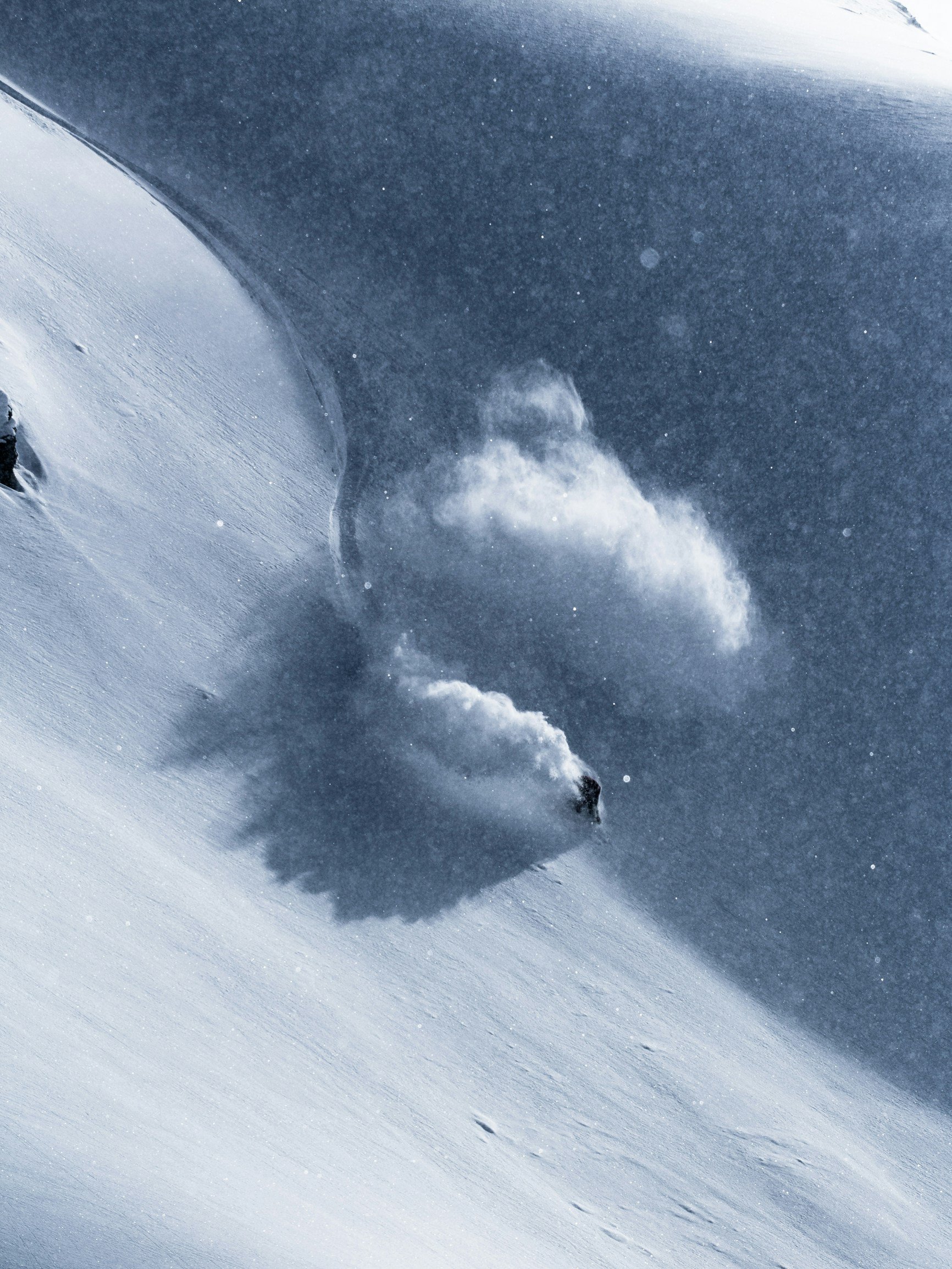
For decades, the economics of skiing were unstable. Resorts depended on snowfall, weekend traffic, and daily lift ticket sales. A bad winter could devastate revenue. Climate uncertainty only made the problem worse.
The mega pass solved that problem almost overnight. But it also introduced a structural tension: the ski industry applied a platform model to a fixed-capacity system.
From a financial perspective, the shift was brilliant. By turning skiing into a prepaid subscription, the industry stabilized revenue and smoothed weather risk. Resorts could sell tens of thousands of passes months before the first snowfall.
But skiers are now living inside the mismatch.
From Local Loyalty to National Networks
Before mega passes, serious skiers behaved predictably. They chose a home mountain and bought a season pass there. Demand was largely local and distributed.
Mega passes dissolved those geographic boundaries. Today, a skier in Seattle or Toronto can decide to ski Whistler, Vail, or Park City on the same pass. Mountains that once served regional communities now sit inside global networks.
What has changed is not just the number of skiers, but where and when they show up.
Because millions of pass holders share the same prepaid access, incentives concentrate around the same windows, weekends, holidays, and powder days. The result is a classic load-balancing failure: the peaks get higher while the valleys get quieter.
The Mechanics of the Mismatch
Once a skier prepays for the season, the marginal cost of each additional day drops to zero. The decision shifts from “Is skiing worth $200 today?” to “I already paid - I might as well go.”
Resort operators are not blind to this. They have invested heavily in high-speed lifts and gondolas to increase uphill capacity. But this reveals the core of the mismatch:
You can scale the chairlift, but you cannot scale the mountain.
When lift speed increases without a corresponding expansion of skiable terrain, the bottleneck simply moves from the base area to the trail. Faster lifts push more skiers onto the same slopes, increasing density and reducing the margin for error.
The financial friction of a lift ticket has been replaced by the operational friction of navigating a crowded mountain.
Friction Displacement and Throttling
In software platforms, when demand approaches capacity, companies add servers. The marginal cost of one more user is nearly zero. Mountains cannot do this.
Instead, resorts increasingly rely on throttling, limiting throughput when demand exceeds capacity. Parking reservations, reservation-only ski days, and blackout dates are not just logistical tweaks; they are ways of managing demand because the physical infrastructure cannot absorb it.
The cost of skiing has shifted from money to time and stress. Early alarms to beat parking closures and long lift lines have become the new price of admission. Once the cost of an experience becomes about racing to get a seat at the table, rather than simply showing up, skiers stop comparing one pass to another and start comparing resort skiing to everything else they could do with their weekend.
The Rise of Substitutes
This shift helps explain the surge in alternatives like backcountry touring, Nordic skiing, and uphill access, and it's worth taking seriously as a strategic signal rather than a demographic footnote.
Historically, backcountry skiing was a niche pursuit. Increasingly, it is how the most committed skiers, the ones who spend the most time on snow, recover something the resort once provided: space. These are skiers spending thousands on touring gear not to save money, but to buy back the solitude that the mega-pass model engineered away.
That matters because these skiers don’t just participate; they shape how the sport is experienced and talked about. When the people who ski the most begin treating the resort as a last resort, it signals something broader than personal preference. The shift is already visible in gear sales, in the growth of uphill access programs, and in the cultural pull that backcountry skiing has quietly accumulated.
When the most influential skiers begin seeking alternatives, it’s not a marginal change. It’s an early signal that something in the core experience is starting to break down.
The Return of the Local Mountain
One underappreciated consequence of the mega-pass era is the potential revival of independent mountains. Large destination resorts inside national networks face synchronized demand spikes and chronic congestion. Smaller independent mountains operate under a different dynamic.
Their skier base is largely local, their terrain is rarely oversubscribed, and the experience feels closer to what resort skiing once was. For a growing segment of skiers, the tradeoff is becoming clear: fewer high-speed lifts, but far less friction. In that sense, the mega-pass model may unintentionally strengthen the competitive position of smaller hills. When the premium product becomes synonymous with a parking lot battle, the quiet, independent alternative begins to look like luxury.
The Strategic Question
The mega pass solved the industry's revenue volatility problem. But every strategy involves tradeoffs. By engineering demand into a system with hard physical limits, the industry traded financial volatility for a capacity constraint.
The real issue is no longer whether the mega-pass model works financially. It clearly does. The issue is whether a national subscription platform can coexist with the physical limits of a mountain without degrading the experience that made skiing valuable in the first place.
The resorts that navigate this first will not do it through faster lifts. They will do it through pricing architecture, and the playbook already exists. Airlines and hotels have spent decades solving exactly this problem: How do you charge different people different prices for the same mountain without pissing off the people who ski the most?
The answer, in both industries, was dynamic pricing combined with tiered access. Not just "prices go up on weekends," but genuinely differentiated products: early-bird windows with guaranteed access, premium tiers that include reserved parking and first-chair priority, off-peak incentives that actively pull demand away from the busiest windows. Some resorts have already experimented at the edges. Ikon and Epic have both introduced reservation systems and blackout structures, but these have mostly functioned as blunt capacity caps rather than true yield management tools.
The next move is more granular: pricing terrain, not just days. Access to a specific bowl on a powder morning is worth more to some skiers than a full-mountain ticket on a groomer day. A resort willing to sell that distinction, and invest in the infrastructure to enforce it, could shift the model from "who woke up earliest" to "who values it most." That is a more defensible business, and probably a better product.
In a system defined by fixed capacity, the competitive advantage goes to whoever builds that architecture before their competitors do.
Worth noting, as someone who skis: I think this is where the industry is headed, and it may come at the expense of what made skiing valuable in the first place.